For years, discussions about Britain's rental market often painted a broad, national picture. However, the latest figures from June 2026 clearly demonstrate that this era of uniform movement is over. We are now witnessing a highly regionalised landscape, where some areas continue to see robust growth, while others are experiencing a plateau or even slight declines. This divergence is largely driven by localised affordability ceilings and varying economic conditions.
The Shifting Sands of Rental Growth
Let's delve into the specifics. In the capital, London's average rent stands at £2,807, showing a marginal decrease of 0.2% since June 2024. This suggests that, after years of relentless increases, the market in London may be reaching an affordability threshold for many tenants. A similar trend is observed in the South East, where average rents are £1,639, down 0.3%, and the East of England, at £1,419, which has seen a modest increase of 2.1%.
The South West, with an average rent of £1,350, also recorded a 2.1% increase. These regions, traditionally high-cost areas, appear to be stabilising, indicating that tenants' capacity to absorb further significant rent hikes is diminishing.
Strong Growth in Northern Regions and Devolved Nations
In stark contrast, other parts of the UK are experiencing substantial rental growth. The North West leads the charge with an impressive 11.1% increase, bringing average rents to £1,229. Northern Ireland follows closely with a 9.1% rise to £1,019. The North East has seen a 7.7% increase, pushing average rents to £933.
Wales recorded a 7.0% increase, while the West Midlands and East Midlands saw rises of 6.1% and 5.8% respectively. Scotland's average rent is now £1,201, up 4.1%, and Yorkshire & Humber stands at £989, up 4.7%. These figures highlight a clear geographical divide, with more affordable regions continuing to attract demand and experience significant rental inflation.
What This Means for Landlords
This data underscores a critical point for landlords: a 'one-size-fits-all' strategy is no longer viable. Understanding the specific dynamics of your local market is paramount. In areas like London and the South East, where affordability ceilings appear to be impacting growth, landlords might need to focus on tenant retention, property upgrades, and competitive pricing to maintain occupancy and yield.
Conversely, in regions experiencing strong growth, there may be opportunities for landlords to review rental prices in line with market demand, while still being mindful of local tenant affordability. The key takeaway is that the market is maturing, and regional economic factors, employment rates, and local housing supply are now more influential than ever.
Navigating the New Landscape in Rainham
For landlords in Rainham, these national trends provide valuable context, but local expertise remains indispensable. Our office has an in-depth understanding of the Rainham rental market, its unique characteristics, and how these broader shifts might impact your investments. Whether you're considering adjusting rents, looking to expand your portfolio, or simply want to understand the current climate, we are here to help.
The days of a uniformly rising rental market are behind us. Embrace the regional nuances, and let's work together to optimise your property investments in this evolving landscape.
Get in Touch
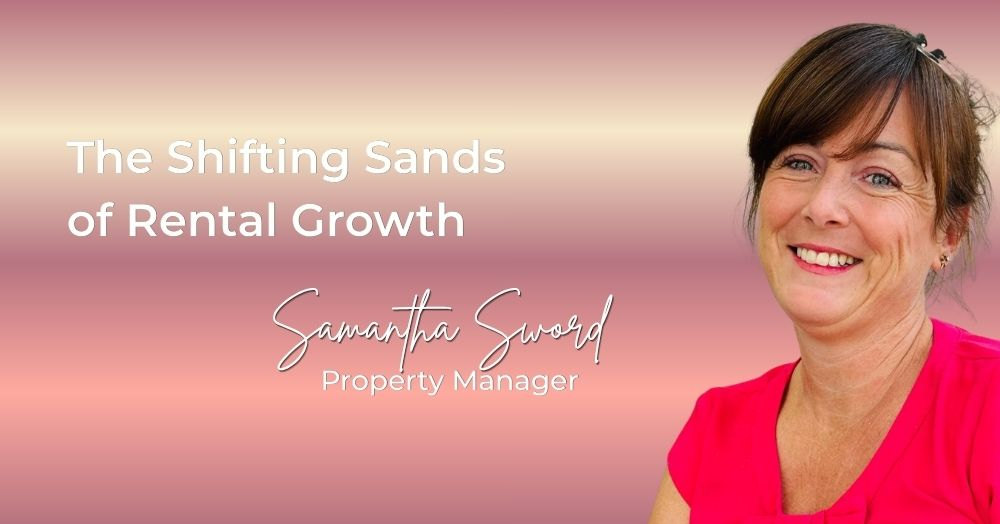
We invite all Rainham landlords to contact Samantha Sword, Ruth Eastwood or Jacqui B. We can provide tailored advice and insights specific to your properties and the local market conditions, helping you navigate these changes effectively.