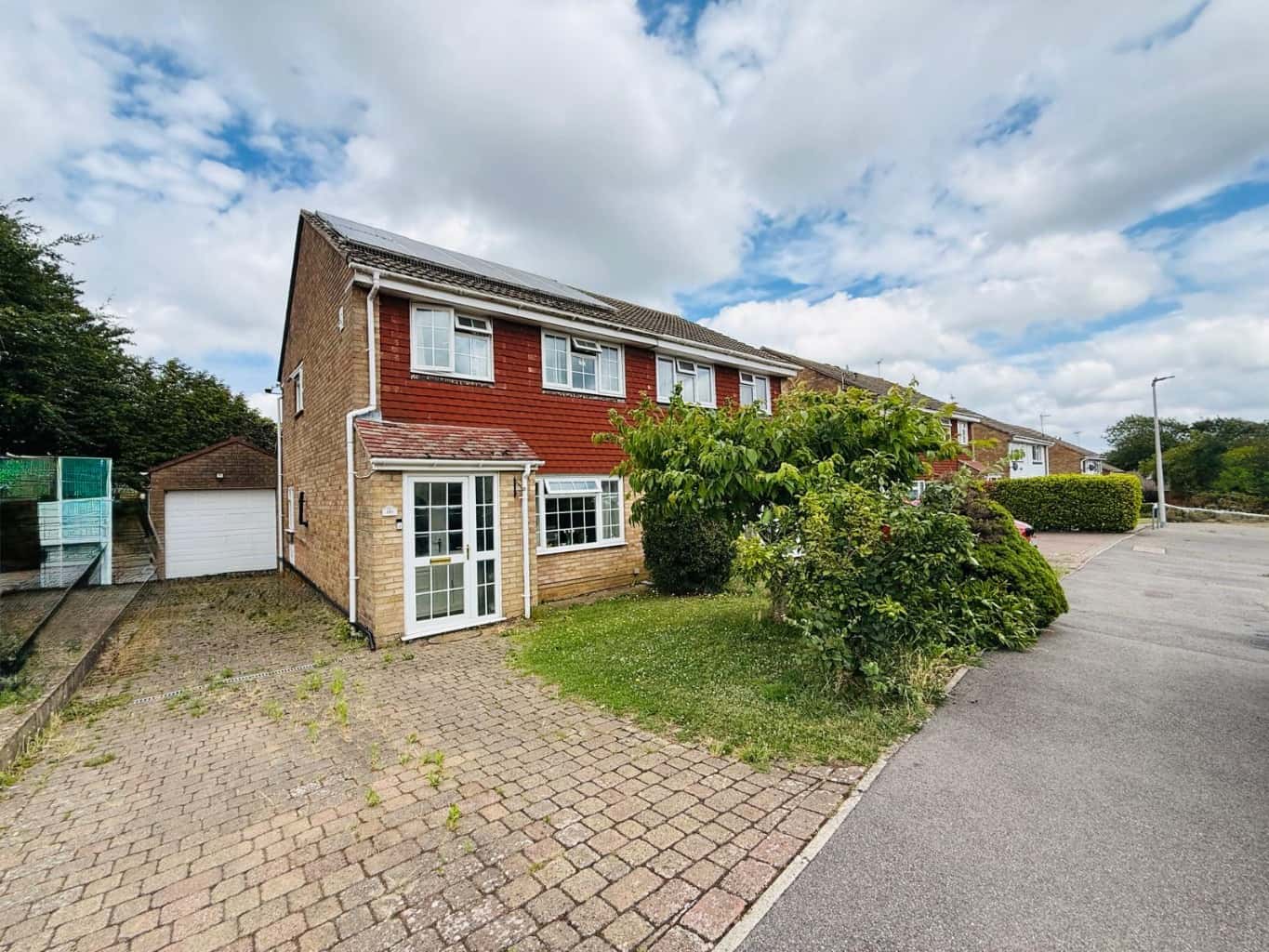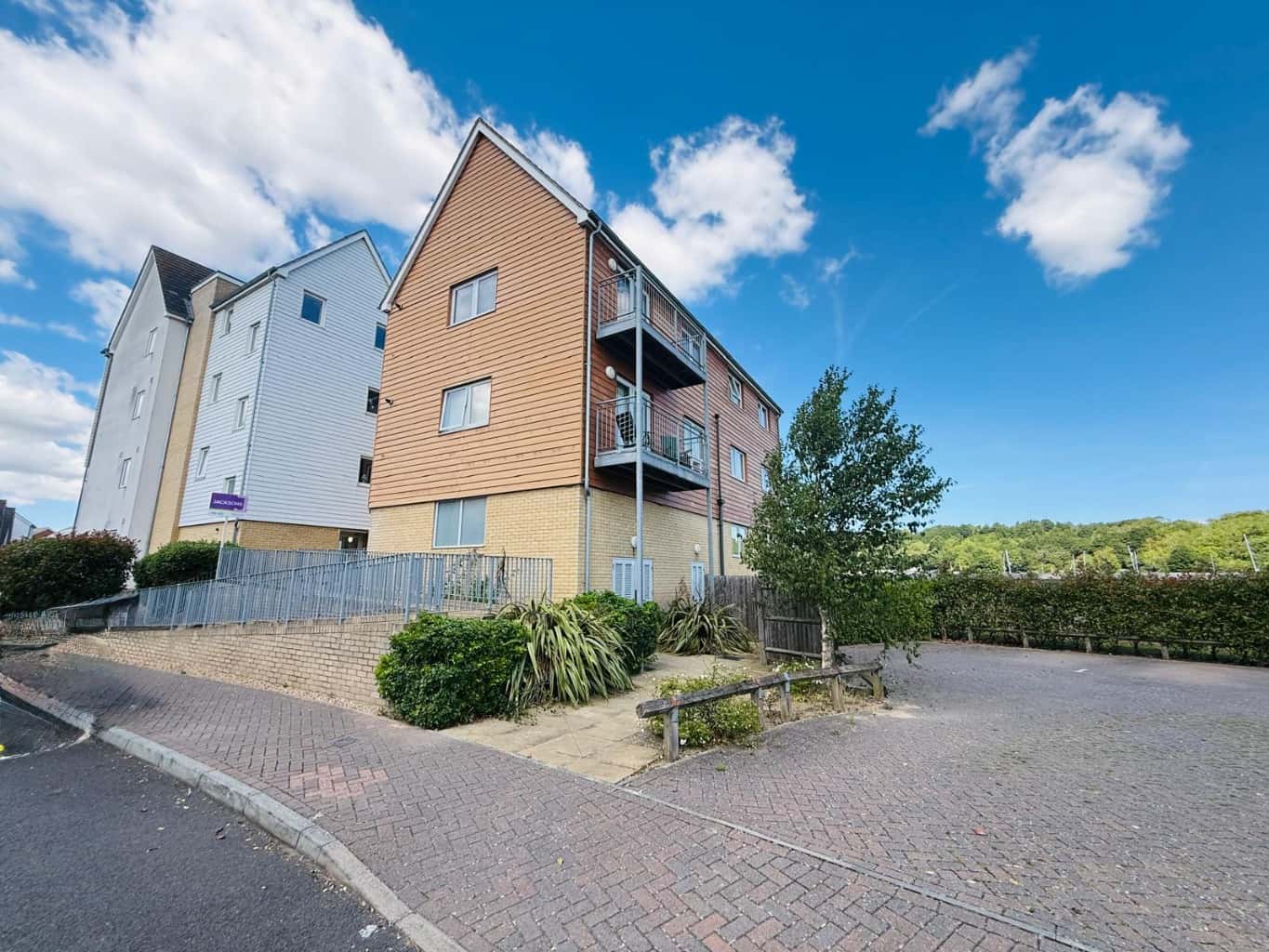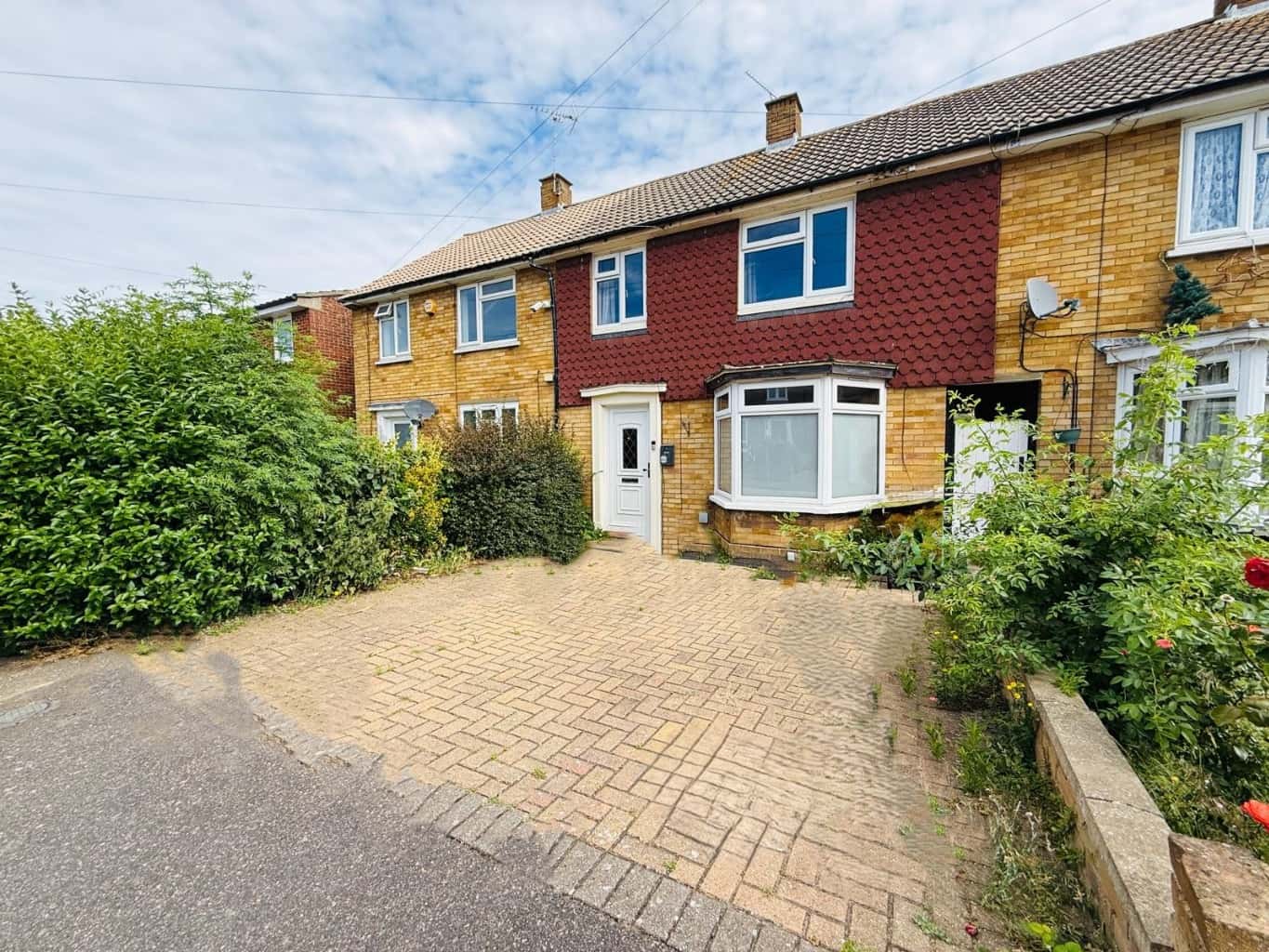

But before you make any big decisions, pause. The most important question isn’t “Where could we move?” — it’s “Why do we want to move?”
Do You Actually Need More Space?
Space is one of the most common reasons homeowners consider moving.
Perhaps your family has grown. Maybe you’re now working from home and need a dedicated office. Or perhaps the house simply feels cluttered and cramped.
But ask yourself:
Could a loft conversion solve the issue?
Would a rear extension give you the extra room you need?
Could better storage or reconfiguring existing space make a difference?
Sometimes it’s not about needing a bigger house — it’s about using your current space more effectively.
Is the Layout No Longer Functional?
As lifestyles change, so do our needs.
A once-perfect layout may now feel awkward or restrictive. Closed-off kitchens, unused dining rooms, or poorly positioned bathrooms can make everyday living frustrating.
Before deciding to move, consider whether:
Opening up the kitchen and living area would improve flow
Repositioning walls could create better bedroom sizes
Converting a garage or spare room would add practicality
Often, the structure is sound — it just needs modernising to suit your current lifestyle.
Do You Want a Better Location?
This is where honesty matters most.
You can change your kitchen. You can extend your living space. But you can’t change your postcode.
If your frustrations stem from:
A long commute
School catchment concerns
Limited local amenities
Noise or traffic issues
Then moving may genuinely be the right solution. Location challenges are far harder to fix with renovations alone.
Are Maintenance Costs Becoming Overwhelming?
Older properties in particular can start demanding more attention — and more money.
If you’re facing constant repairs, outdated systems or looming structural work, it’s natural to question whether it’s worth continuing to invest.
However, it’s important to distinguish between:
Ongoing cosmetic updates
A one-off investment to modernise
Serious structural or long-term issues
Understanding the scale of the work — and how it impacts value — is crucial before making a final decision.
Is It an Emotional Desire for Something “New”?
Sometimes the desire to move isn’t practical — it’s emotional.
Scrolling through beautifully presented homes can make your perfectly good property feel uninspiring. Familiarity can create restlessness.
Ask yourself:
Am I bored with the décor rather than the house itself?
Would updating key rooms refresh how I feel?
Is this a temporary frustration?
A new kitchen, updated flooring or improved garden space can completely transform how your home feels — without the upheaval of moving.
Identify the Real Pain Points
Often, homeowners assume the solution is a new house, when in reality there are only one or two specific frustrations:
Lack of storage
Limited natural light
An outdated bathroom
No dedicated workspace
When you isolate the exact issues, they often feel far more manageable — and more affordable — than relocating entirely.
Speak to a Property Professional Before You Decide
One of the smartest steps you can take is seeking advice from a trusted local property professional.
An experienced agent can help you:
Understand your current market value
Assess buyer demand in your area
Estimate how improvements might impact price
Compare the cost of moving versus renovating
Explore realistic options available to you
If you’re based in Rainham or the surrounding areas, speaking to Jacksons can provide valuable local insight. Their knowledge of the market, buyer trends and achievable sale prices can help you make a decision based on facts — not assumptions.
Sometimes a short conversation can give you clarity you didn’t even realise you needed.
Move or Improve? Start With Clarity
Moving home is expensive and disruptive. Renovating also requires investment and planning.
The key is clarity.
When you truly understand why you want change — and how your property sits in the current market — you can make a rational, confident decision rather than an emotional one.
Sometimes the house isn’t the problem. It just needs to evolve with you.
Before you pack boxes or call builders, take a step back, ask the deeper questions, and seek professional advice.
The right next step becomes much clearer when it’s informed.