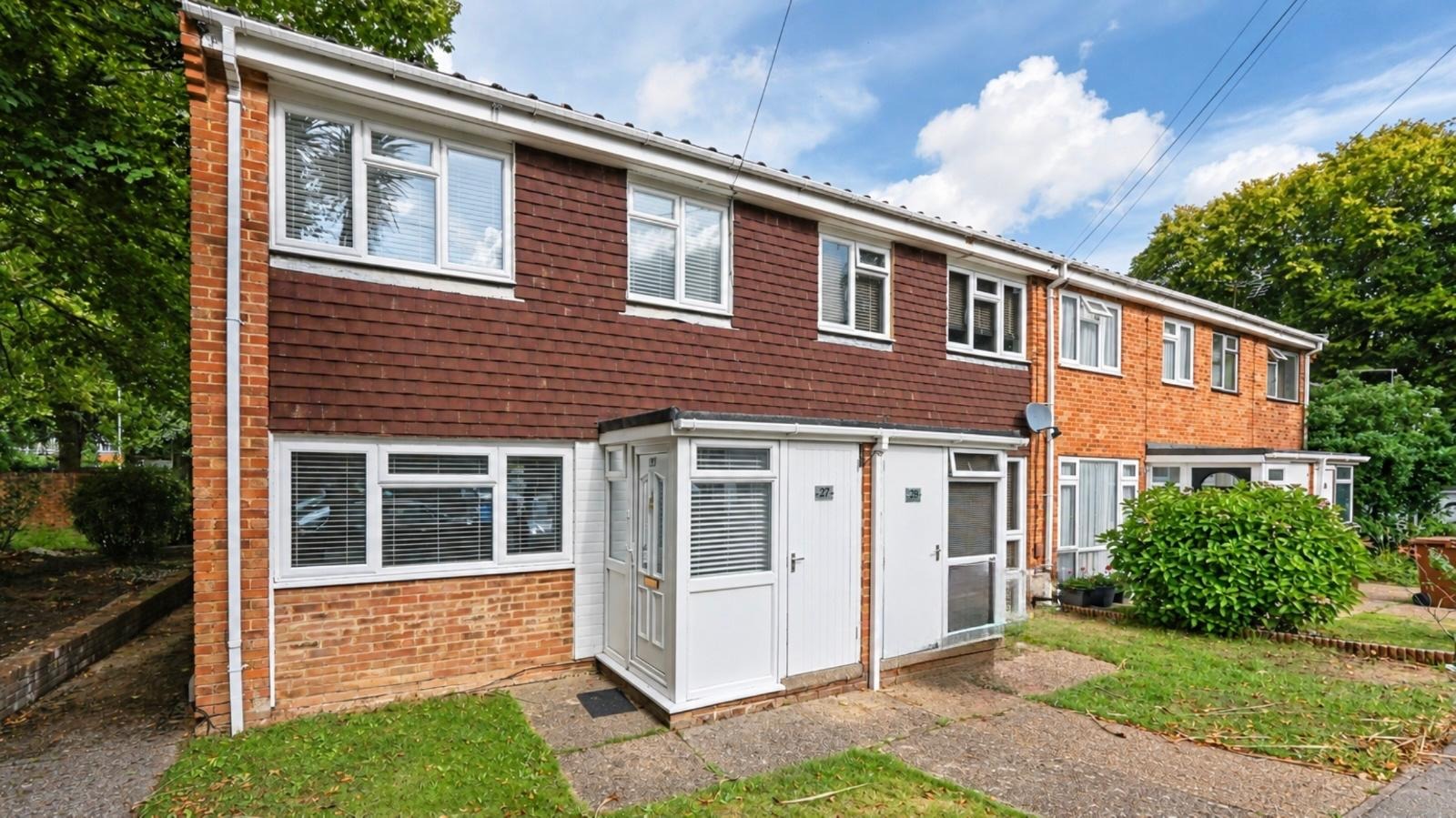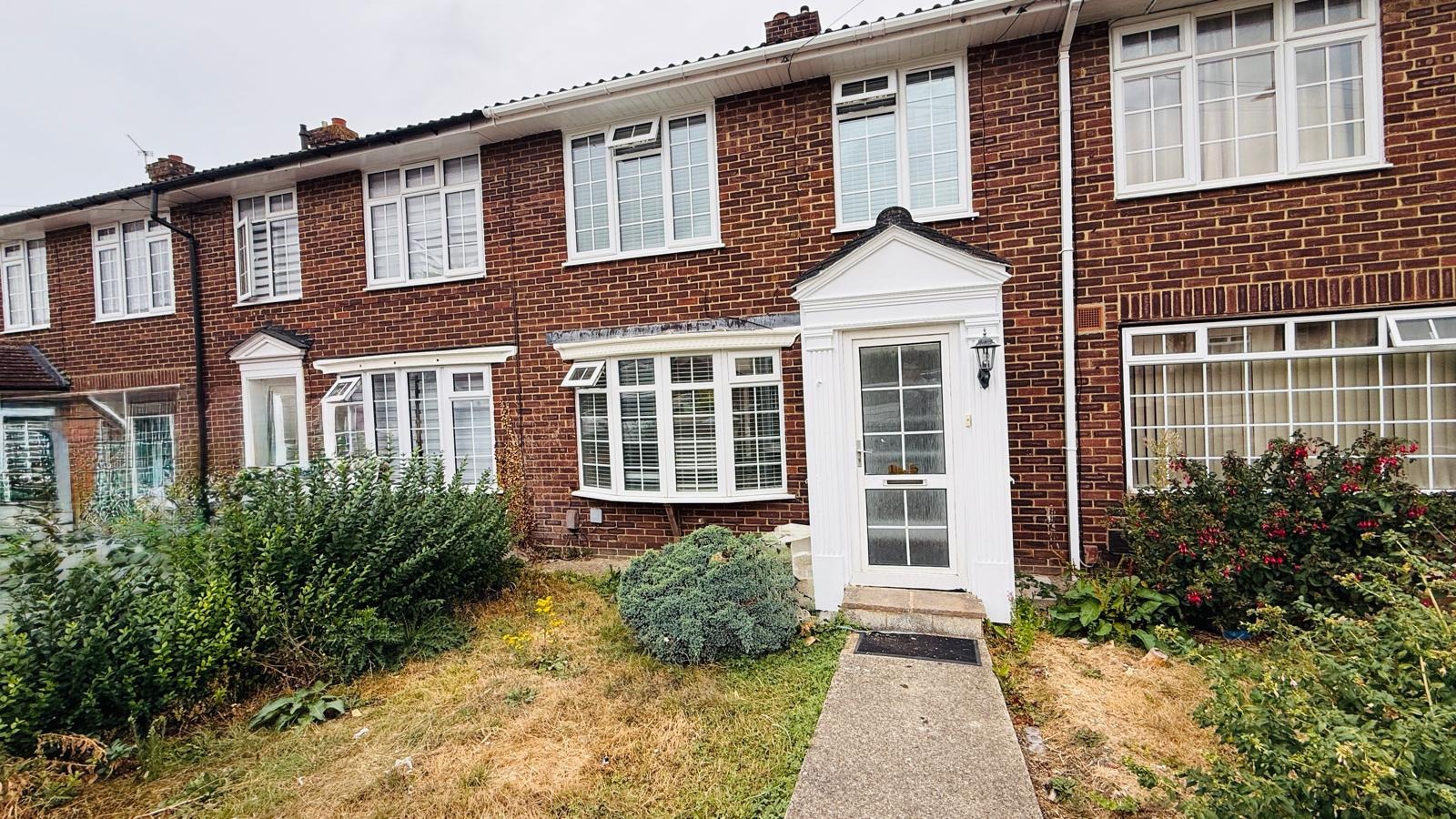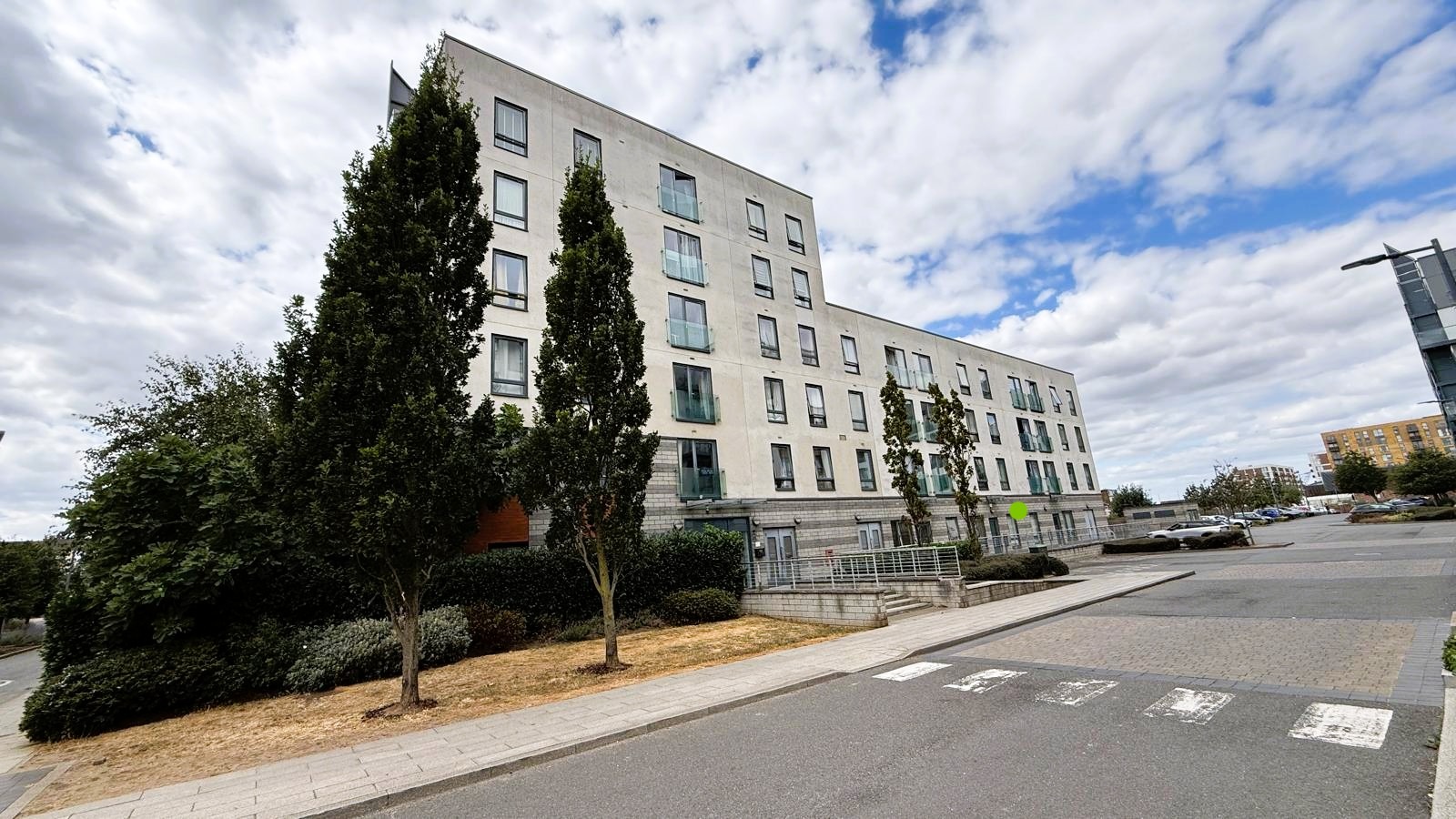

If you’re at that crossroads, you’re not alone. The big question becomes: Should you move, or should you improve?
Let’s break it down.
Step 1: Understand the True Value of Your Property
Before making any decisions, it’s essential to know what your home is worth in today’s market.
Property value isn’t just about square footage. It’s influenced by:
Location and neighbourhood demand
School catchment areas and local amenities
Market conditions
Condition and upgrades
Comparable recent sales
Even small improvements over time — new flooring, updated bathrooms, landscaping — can significantly increase value. On the other hand, market shifts can change your home’s worth even if you’ve done nothing at all.
Getting a professional valuation or comparative market analysis gives you clarity and confidence before making a big move.
Step 2: Ask Yourself Why You Want Change
It’s easy to assume moving is the solution, but dig deeper:
Do you need more space?
Is your layout no longer functional?
Do you want a better location?
Are maintenance costs becoming overwhelming?
Is it an emotional desire for something “new”?
Sometimes the problem isn’t the house — it’s one or two pain points that could be solved with smart improvements.
When Improving Makes More Sense
Renovating can be a powerful way to unlock your home’s hidden potential.
You might consider improving if:
1. You Love Your Location
You can’t renovate your postcode. If you’re in a great neighbourhood with strong community ties and good local schools, staying could be the smarter long-term choice.
2. Renovation Costs Are Lower Than Moving Costs
Moving comes with:
Estate agent fees
Stamp duty
Solicitors’ fees
Removal costs
Potentially higher mortgage payments
A well-planned renovation may cost less than relocating — and increase your property value at the same time.
3. You’re Thinking Long-Term
If you plan to stay 5–10+ years, improvements often make financial and lifestyle sense. Kitchens, bathrooms, extensions, or even reconfiguring layouts can completely transform how your home feels.
When Moving Might Be the Better Option
Sometimes improvement isn’t enough.
Consider moving if:
1. The Structure Can’t Meet Your Needs
If you need another bedroom but can’t extend, or if planning restrictions prevent expansion, moving might be your only realistic solution.
2. Major Repairs Are Looming
If your home requires extensive structural repairs (roof, foundations, plumbing overhaul), the cost may outweigh the benefit of staying.
3. Your Life Has Changed
New job. Growing family. Downsizing after children move out. Lifestyle shifts sometimes require a fresh start.
Financial Perspective: Investment vs Emotion
Your home is both a financial asset and an emotional anchor.
Ask yourself:
Will renovations significantly increase resale value?
Would moving stretch your finances too thin?
Are you reacting emotionally to temporary frustrations?
Smart property decisions balance lifestyle goals with long-term financial strategy.
A Practical Exercise
Try this simple comparison:
Question Improve Move Total cost?
Increase in property value Total cost?
Disruption level Medium High
Emotional attachment High Low
Long-term flexibility
Seeing the numbers side by side often brings clarity.
Final Thoughts
There’s no universal right answer. For some homeowners, renovating unlocks hidden potential and builds equity. For others, moving opens the door to a better fit for their next life chapter.
Before making a decision:
Get your property valued.
Estimate renovation costs realistically.
Compare full moving expenses.
Think five to ten years ahead.
Your property is likely your largest financial asset. Treat the decision with patience, research, and strategic thinking — not impulse.
Whether you choose to move or improve, make sure the decision aligns with both your financial goals and the life you want to live and we wil be there to hel.