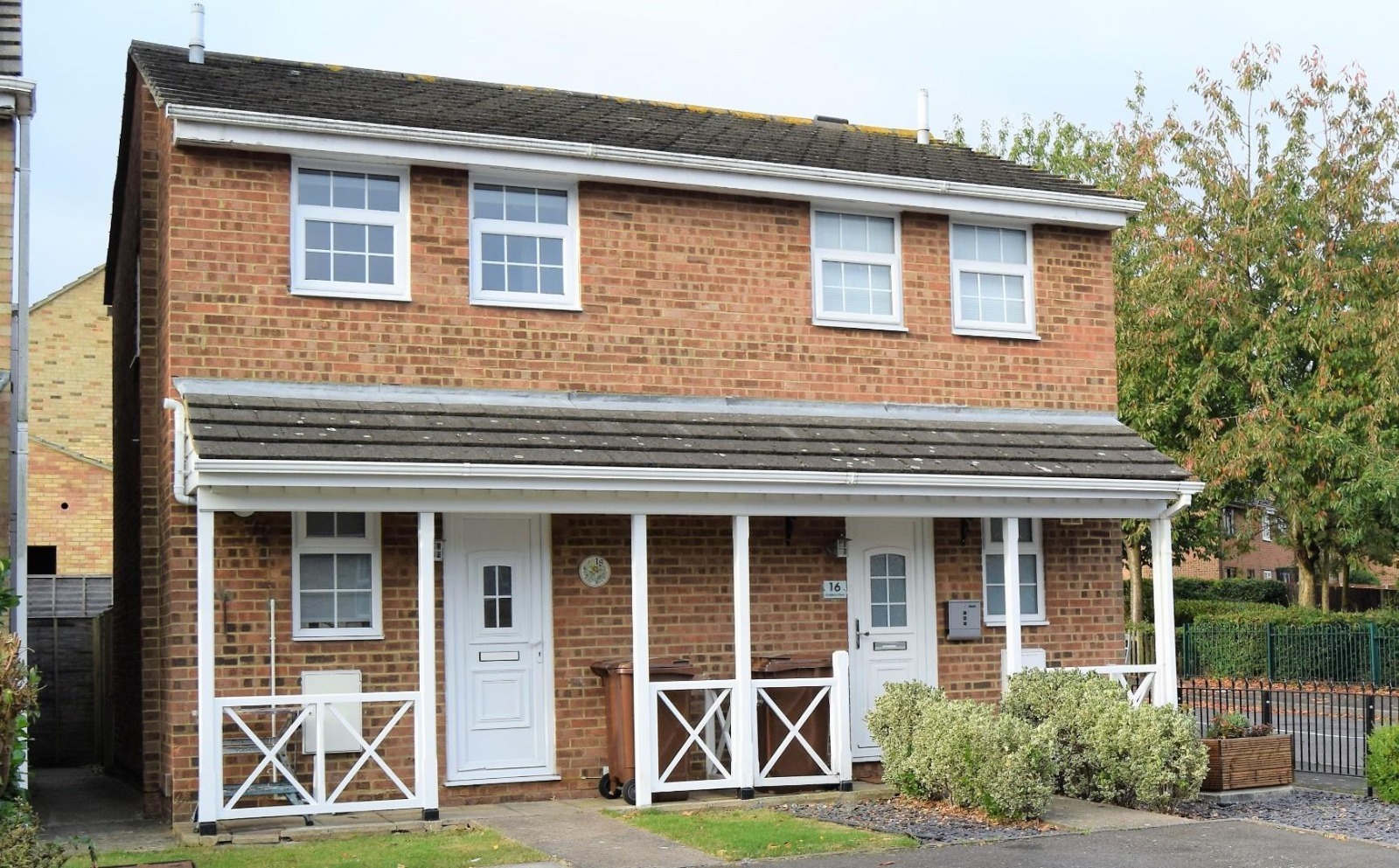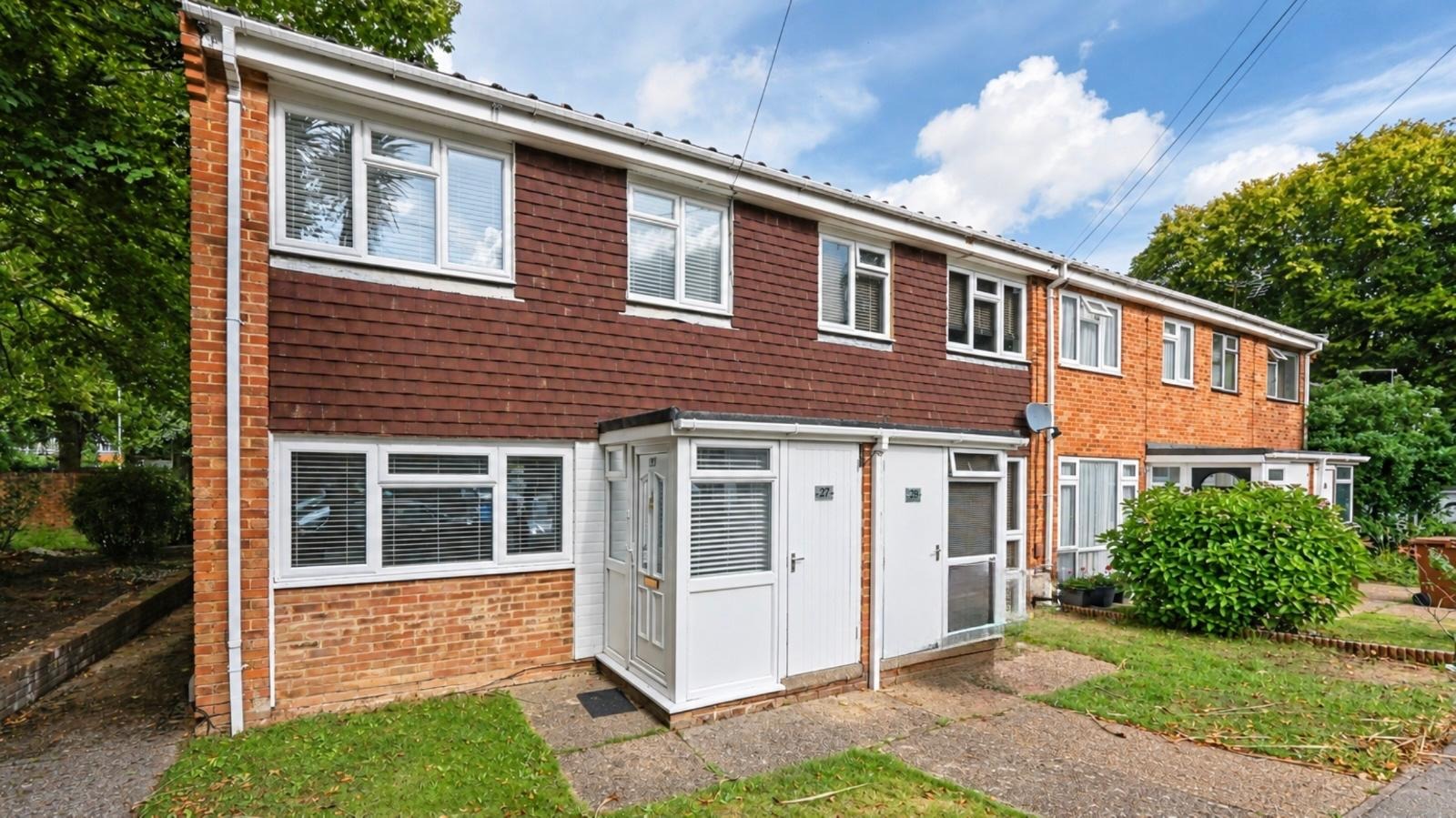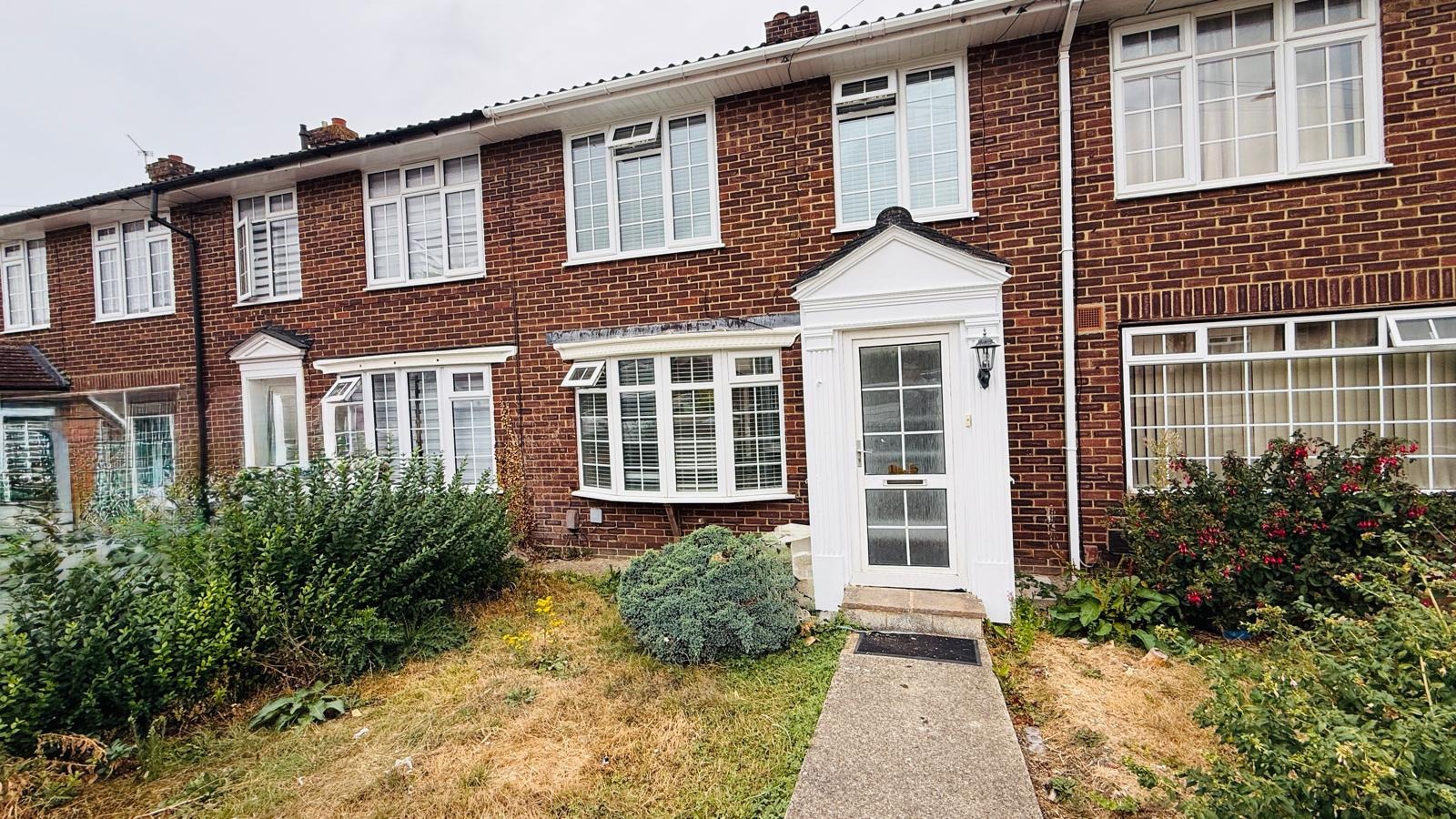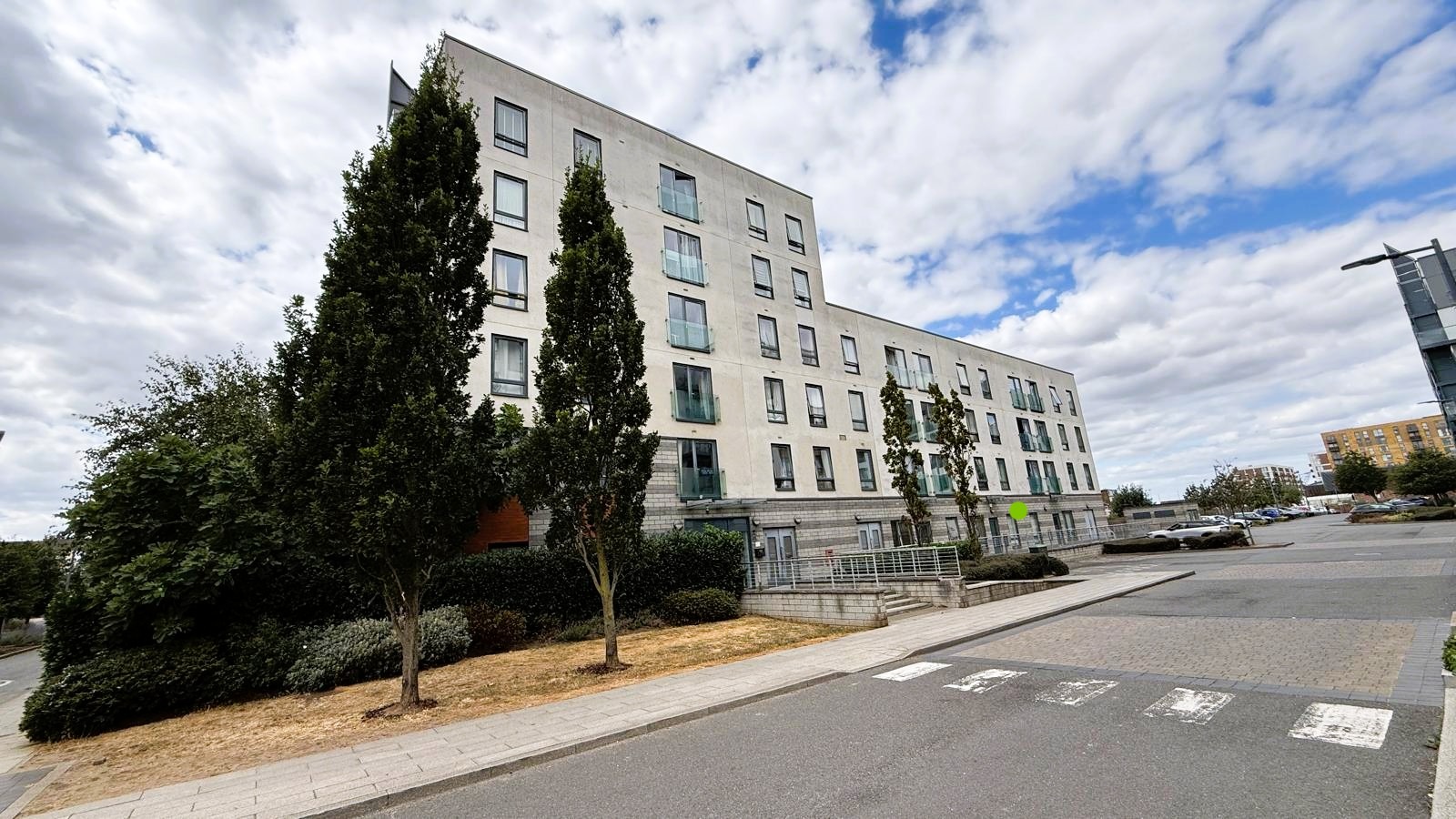
As a landlord in Rainham, you might have noticed that rent increases haven't been uniform across the area. Indeed, two tenants living only a few streets apart could have experienced vastly different levels of rent growth over the last decade. This phenomenon highlights just how localised the rental market can be, and why a single, overarching figure for Rainham often doesn't tell the full story.
The Hyper-Local Nature of Rent Growth
When we analyse rent changes over the past 10 years, broken down into small local areas, a clear pattern emerges. Some areas, often depicted as darker red on a rent growth map, have seen significantly stronger increases. Conversely, yellow areas sit towards the lower end of rent growth. What makes this particularly interesting is the sheer granularity of these differences; noticeable variations can occur between neighbouring streets, even within the same town.
Key Influencers on Local Rent Growth
Several factors contribute to these localised disparities, influencing what tenants are prepared to pay:
1. Demand for Specific Property Types
The type of property in an area plays a crucial role. For instance, a surge in demand for two-bedroom flats might drive up rents in a block predominantly featuring such units, while a nearby street of larger family homes might see more modest growth if demand for those properties is stable.
2. Proximity to Employment Hubs
Areas with easy access to local employment centres or those with excellent transport links to larger job markets (like central London) often command higher rents. Tenants prioritise convenience, and a shorter commute or direct train line can significantly add to a property's appeal and, consequently, its rental value.
3. Quality of Local Schools
For families, school catchment areas are paramount. Properties within the catchment of highly-rated primary or secondary schools consistently experience stronger demand, which translates into higher rental prices. This factor alone can create a 'premium' for homes in specific zones.
4. Transport Links and Infrastructure
Beyond employment, general transport accessibility is vital. Proximity to bus routes, train stations, or major road networks makes an area more desirable. Ongoing improvements to local infrastructure, such as new cycle paths or upgraded public transport services, can also positively impact rental values.
5. Changing Mix of Homes Available to Rent
The supply side of the equation is equally important. If an area sees a reduction in the number of available rental properties, or a shift towards higher-spec new builds, average rents can increase. Conversely, an influx of new developments might stabilise or even temper rent growth if supply outstrips demand.
What This Means for Rainham Landlords
Understanding these hyper-local dynamics is crucial for any landlord in Rainham. Relying solely on broad market averages can be misleading. Instead, focus on the specific characteristics of your property's immediate vicinity. Regularly assess local amenities, transport developments, school performance, and the current tenant demand for your particular property type.
By delving into the 'street by street' story, you can make more informed decisions regarding rental pricing, property improvements, and investment strategies. Engaging with a local estate agent who possesses in-depth knowledge of Rainham's micro-markets can provide invaluable insights, helping you to optimise your rental income and ensure your property remains competitive and attractive to prospective tenants.